Dombate dolmen and Borneiro hillfort: a visitor guide
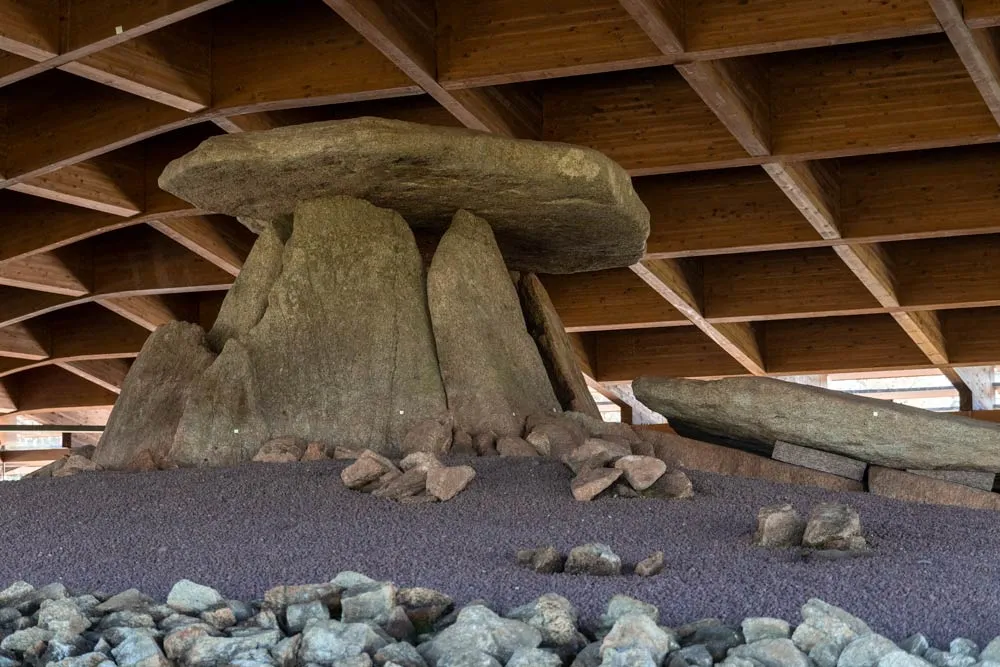
The Dombate dolmen and the Borneiro hillfort are the two archaeological gems of the Costa da Morte, and they sit almost side by side: they share the parish of Borneiro (in Cabana de Bergantiños) and are barely 1 km apart. From Laxe you get there in about 15-20 minutes by car, so you can see a Neolithic megalith and a Celtic settlement in the same half-morning. This guide, written from Casa do Rancho (hamlet of O Canle, Laxe), explains what they are, how to get there and what to expect.
What are the Dombate dolmen and the Borneiro hillfort?
They are two sites from very different eras that sum up thousands of years of Galician history in a single walk:
| Site | Era | What you’ll see |
|---|---|---|
| Dombate dolmen | Neolithic (~4000–3000 BC) | Megalithic chamber under a canopy, with engravings and traces of paint |
| Borneiro hillfort (A Cibdá) | Iron Age (4th c. BC – 1st c. AD) | Dozens of stone roundhouses, streets and a wall |
The Dombate dolmen is known as the “cathedral of Galician megalithism” for its size and excellent state of preservation. The Borneiro hillfort, known locally as A Cibdá, is one of the best-excavated Celtic settlements in the area and was abandoned before full Romanisation, which makes it especially “pure”.
How to get to the Dombate dolmen from Laxe?
From Laxe you drive on the regional road towards Cabana de Bergantiños; both sites are signposted. As a reference from Casa do Rancho:
| Destination | Distance | Time |
|---|---|---|
| Borneiro hillfort (A Cibdá) | 12 km | 18 min |
| Dombate dolmen | 13 km | 20 min |
The easiest option is to park near the dolmen and walk the stretch that separates it from the hillfort: a flat, comfortable path through native woodland. If you come without a car, public transport is scarce, so this plan really calls for your own or a rental car.
What will you see at the Dombate dolmen?
The dolmen is preserved under a canopy that shields it from the Atlantic weather and lets you get close to the chamber. Its most valuable features are the engravings and traces of paint on its slabs — unusual in European megalithism — along with the structure itself, with its corridor and polygonal chamber. The visit is usually guided and short, ideal for understanding how people were buried and what this monument meant more than 5,000 years ago. Check opening times and availability before you go, as they change with the season.
And at the Borneiro hillfort (A Cibdá)?
A stone’s throw from the dolmen, the hillfort is an open-air walk among the foundations of a Celtic settlement: you’ll see stone roundhouses, cobbled streets and the line of the wall, all on a rise with views over the valley. It is an open, flat site, very photogenic early in the day, when the low light picks out the walls. Bring water and comfortable shoes: the ground is earth and grass.
What else is there to see nearby on the Costa da Morte?
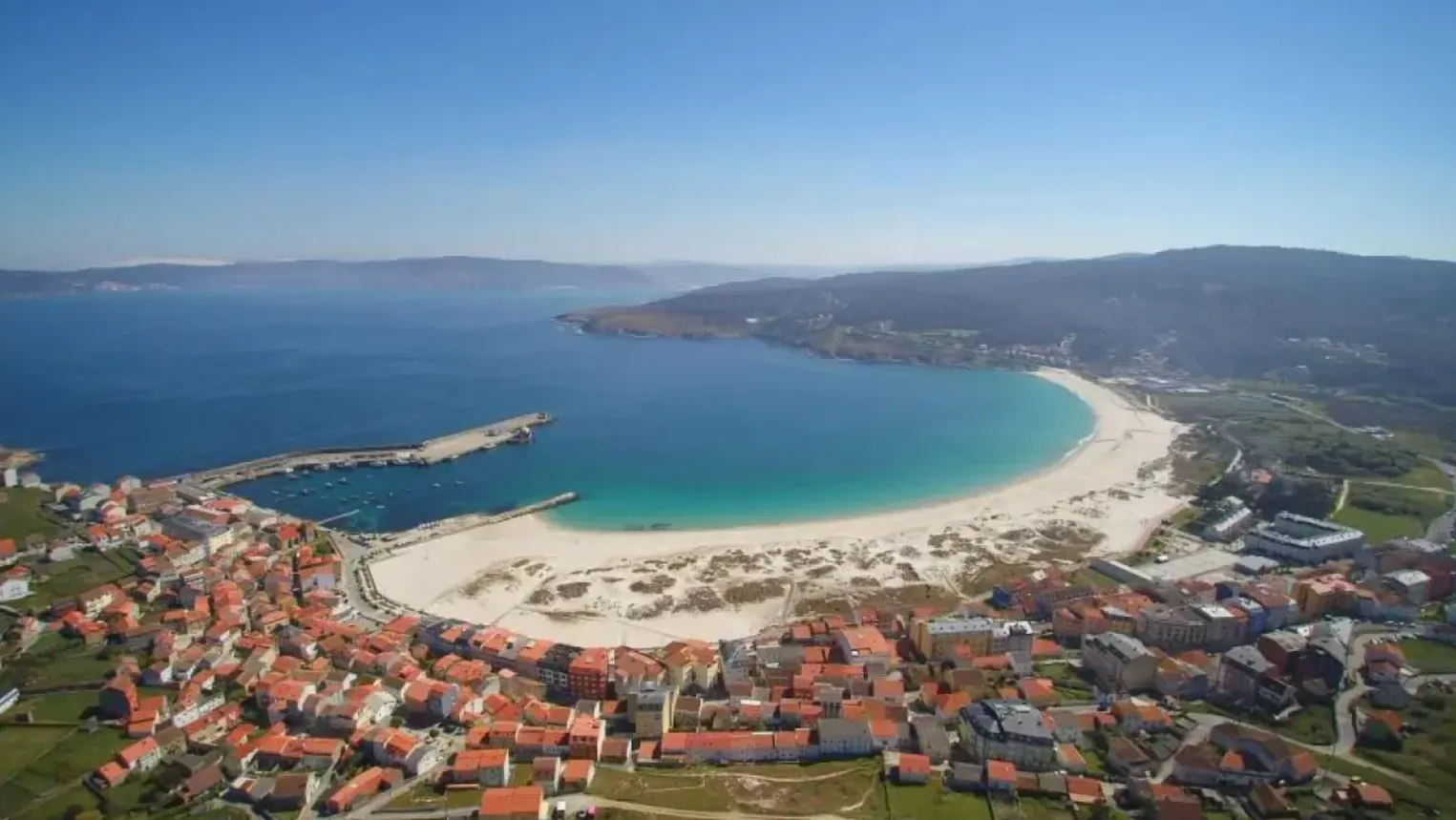
Dombate and Borneiro pair perfectly with the rest of the area. You can devote the morning to them and head down to the beaches or the lighthouse in the afternoon. To plan the rest of your trip:
- If you have several days, follow our 3-day Costa da Morte itinerary, where these two sites open day 1.
- If you’re staying in the village, our guide to things to do in Laxe has beaches, viewpoints and the old town just minutes away.
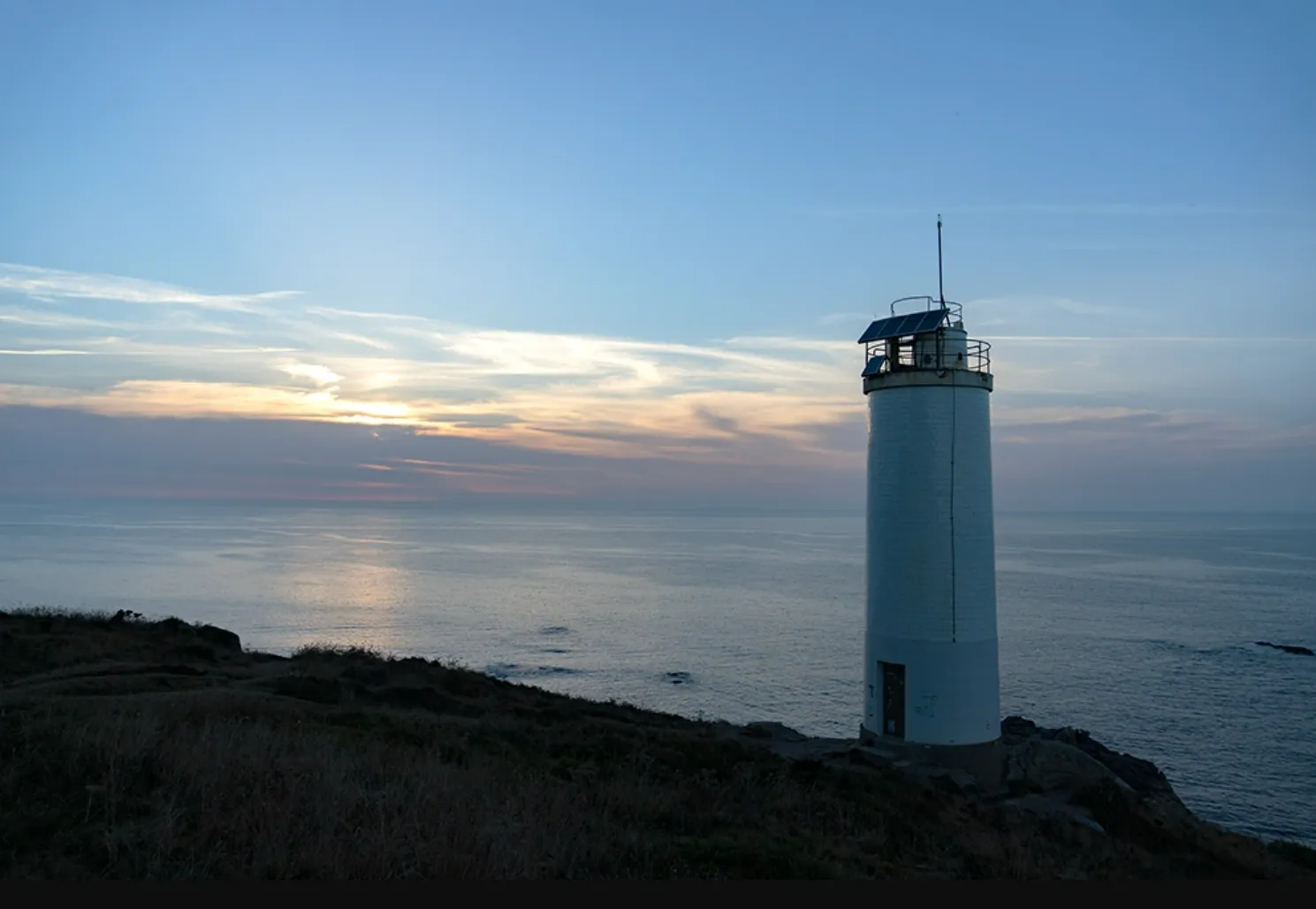
Tip: go early to the dolmen to catch the guided visit and save the afternoon for the coast. History in the morning and the sea at sunset is the winning combination of the Costa da Morte.
Frequently asked questions
- Can you visit the Dombate dolmen and the Borneiro hillfort together?
- Yes. They sit in the same parish of Borneiro (Cabana de Bergantiños), barely 1 km apart, and can be combined in one morning — even on foot, along the track that links the two sites.
- What is a visit to the Dombate dolmen like?
- The dolmen is preserved under a canopy that protects it and lets you see it up close, usually on a guided visit. Check opening times and availability before you go, as they change with the season. The Borneiro hillfort is an open-air site with free access.
- Is it a good visit with children?
- Yes. The dolmen is a short walk-through under cover, and the hillfort is a flat open-air stroll among stone roundhouses and walls: a comfortable, very visual heritage outing for families.
Related guides
Muxía: what to see and its legends
Muxía is a seafaring village on the Costa da Morte about 45 min from Laxe. The essentials: the Virxe da Barca sanctuary by the sea, the sacred stones (Pedra de Abalar and Pedra dos Cadrís) and their Way-of-St-James legend, the A Ferida monument to the Prestige disaster, and the views from Monte Corpiño. It fits into half a day or a full day.
Camariñas and its bobbin lace: what to see
Camariñas is the bobbin-lace town of the Costa da Morte, about 40 min from Laxe. The essentials: the Lace Museum and its lacemakers, the Cabo Vilán lighthouse (the first electric one in Spain), the English Cemetery, and wild beaches such as Reira and Lago. It works well as a day trip.
Finisterre lighthouse from Laxe: a one-day trip
The Finisterre lighthouse is about 65 km from Laxe, just over 1 hour by car, so it makes a perfect one-day trip. Set off mid-morning, have lunch in the town of Fisterra and stay for sunset at the cape, the "end of the world" of the Camino. You can combine it with Muxía or the Ézaro waterfall.