Muxía: what to see and its legends
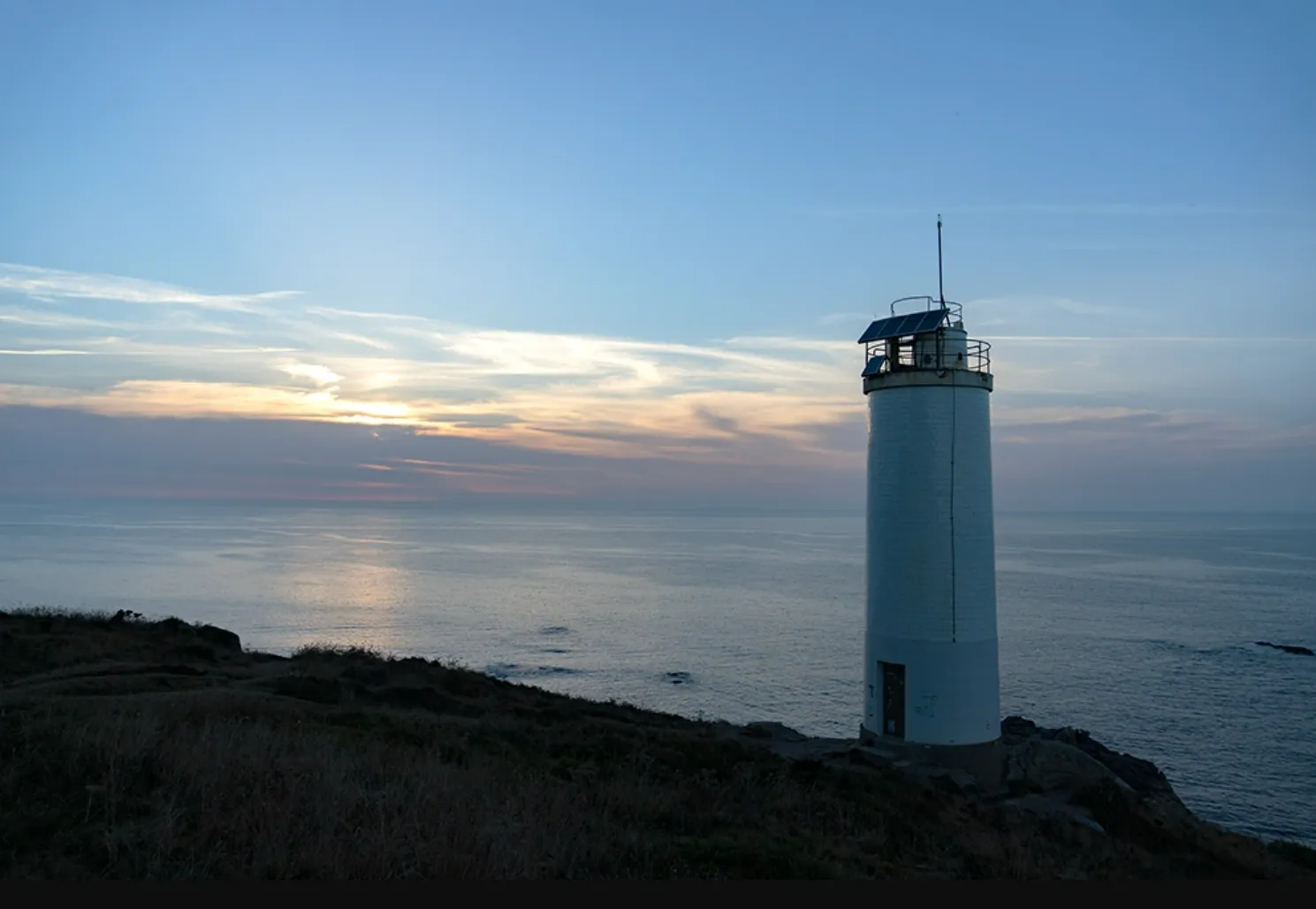
Muxía is one of the most legend-rich seafaring villages on the Costa da Morte: a town facing the Atlantic where sea, stone and Way-of-St-James tradition come together around the Virxe da Barca sanctuary. From Laxe it lies about 45 minutes by car, making it an easy half-day or full-day trip from Casa do Rancho, in the hamlet of O Canle.
Why is Muxía famous?
Muxía is known above all for its sanctuary by the sea and for the legend of the Virxe da Barca, one of the most beloved in Galician lore. It is also one of the great endings of the Way of St James: many pilgrims who reach Fisterra carry on to Muxía to close their journey here, facing the ocean.
To that you can add its more recent and painful side: Muxía was one of the places hardest hit by the Prestige oil tanker spill in 2002, an event now remembered by the striking A Ferida monument.
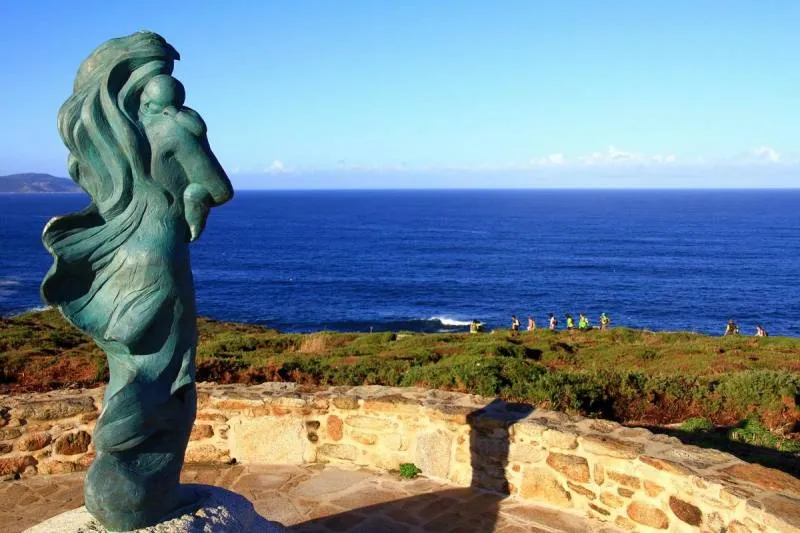
Muxía is also the end of the Camiño dos Faros, the 200 km hiking route that links Malpica with Fisterra along the cliff edge.
What to see in Muxía in one day?
These are the must-sees, nearly all clustered on the tip of the village:
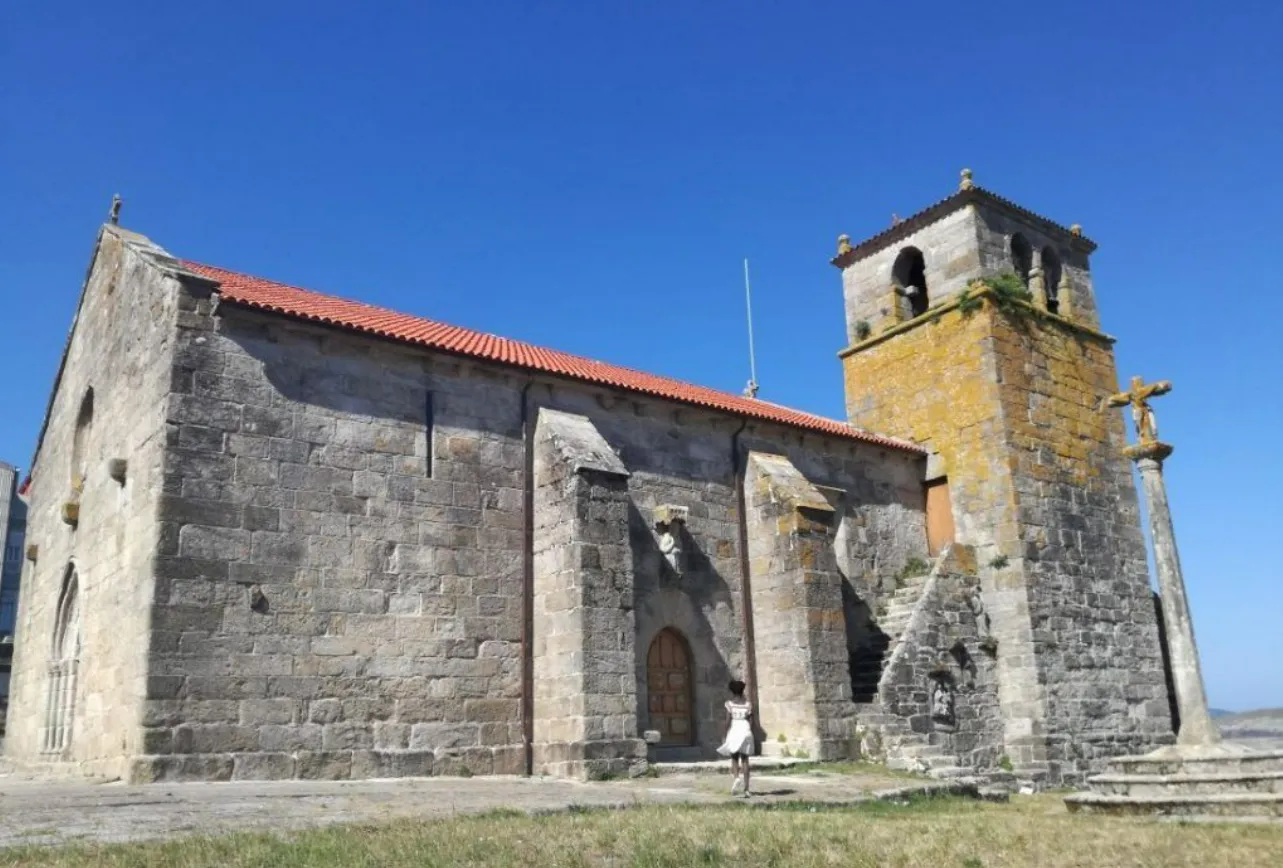
- Virxe da Barca sanctuary: a 17th-century church by the sea, the spiritual heart of Muxía.
- Pedra de Abalar and Pedra dos Cadrís: the sacred stones of the legend, with a healing reputation.
- A Ferida: a granite monument to the Prestige disaster, standing on the rocks.
- Monte Corpiño: a viewpoint with the best panorama of the town, coast and sanctuary.
- Old town and harbour: narrow streets, hórreos and good market-fresh fish.
- Cabo Touriñán: just nearby, the westernmost point of mainland Spain.
What is the legend of the Virxe da Barca?
Tradition tells that the Virgin Mary arrived in Muxía in a stone boat to encourage the apostle Saint James, disheartened in his preaching across these lands. As she departed, the boat turned to rock in front of the sanctuary: the Pedra de Abalar would be the sail and the Pedra do Temón the rudder.
That is where the stones’ healing fame comes from. The Pedra de Abalar is a huge slab that sways when you step on it and, according to belief, “vouches” (foretells) good and bad omens. Pilgrims crawl nine times under the Pedra dos Cadrís to relieve kidney and back pain. Every second Sunday of September, the Romería da Virxe da Barca fills Muxía with pilgrims and devotees.
What is the A Ferida monument?
A Ferida (“The Wound”) is a large split-granite sculpture by Alberto Bañuelos, raised on the rocks beside the sanctuary in memory of the Prestige spill (2002) and of the thousands of volunteers who cleaned this coast. It is a short but deeply symbolic stop: few places explain so clearly why this shore is called the Costa da Morte.
How long from Casa do Rancho to Muxía?
Approximate driving distances and times from Laxe:
| Destination | Distance | Time |
|---|---|---|
| Muxía (town and sanctuary) | 40 km | 45 min |
| Monte Corpiño (viewpoint) | 41 km | 47 min |
| Cabo Touriñán | 55 km | 1 h 05 |
| Camariñas (across the estuary) | 35 km | 40 min |
| Fisterra lighthouse | 65 km | 1 h 10 |
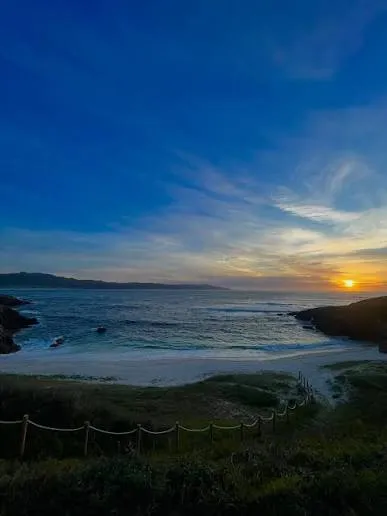
Tip: save the sanctuary for sunset, when the sun drops behind the rocks of the Virxe da Barca. Beforehand, wander the seafaring old town and eat octopus or market-fresh fish at the harbour.
Muxía pairs beautifully with the rest of the region. Very close by is Camariñas and its bobbin lace, across the estuary, and you can fit both into our 3-day Costa da Morte itinerary to plan your getaway from Laxe.
Frequently asked questions
- What is the legend of the Virxe da Barca in Muxía?
- Tradition says the Virgin Mary arrived in Muxía in a stone boat to encourage the apostle Saint James in his preaching. The huge rocks beside the sanctuary are said to be the remains of that boat: the Pedra de Abalar (the sail) and the Pedra do Temón (the rudder). It is one of the best-known Way-of-St-James legends in Galicia.
- How long from Laxe to Muxía?
- About 45 minutes by car (40 km) from Laxe via Vimianzo. It is an easy half-day or full-day trip from Casa do Rancho, in the hamlet of O Canle.
- What are the magic stones of Muxía?
- Beside the sanctuary lie several rocks with a healing tradition. The Pedra de Abalar is a large slab that rocks when you step on it, and pilgrims crawl nine times under the Pedra dos Cadrís to relieve kidney and back ailments, according to popular belief.
Related guides
Camariñas and its bobbin lace: what to see
Camariñas is the bobbin-lace town of the Costa da Morte, about 40 min from Laxe. The essentials: the Lace Museum and its lacemakers, the Cabo Vilán lighthouse (the first electric one in Spain), the English Cemetery, and wild beaches such as Reira and Lago. It works well as a day trip.
Finisterre lighthouse from Laxe: a one-day trip
The Finisterre lighthouse is about 65 km from Laxe, just over 1 hour by car, so it makes a perfect one-day trip. Set off mid-morning, have lunch in the town of Fisterra and stay for sunset at the cape, the "end of the world" of the Camino. You can combine it with Muxía or the Ézaro waterfall.
Ézaro waterfall: how to get there and the best time to visit
The Ézaro waterfall (fervenza do Ézaro), on the river Xallas, is the only one in Europe that drops straight into the sea. From Laxe it is about 75 km (1 h 20 by car) and the best time to see it is the afternoon, facing the sunset. In summer there are often scheduled water releases and night lighting, so check the timetable before you go.