Percebes of the Costa da Morte: what they are and where to try them
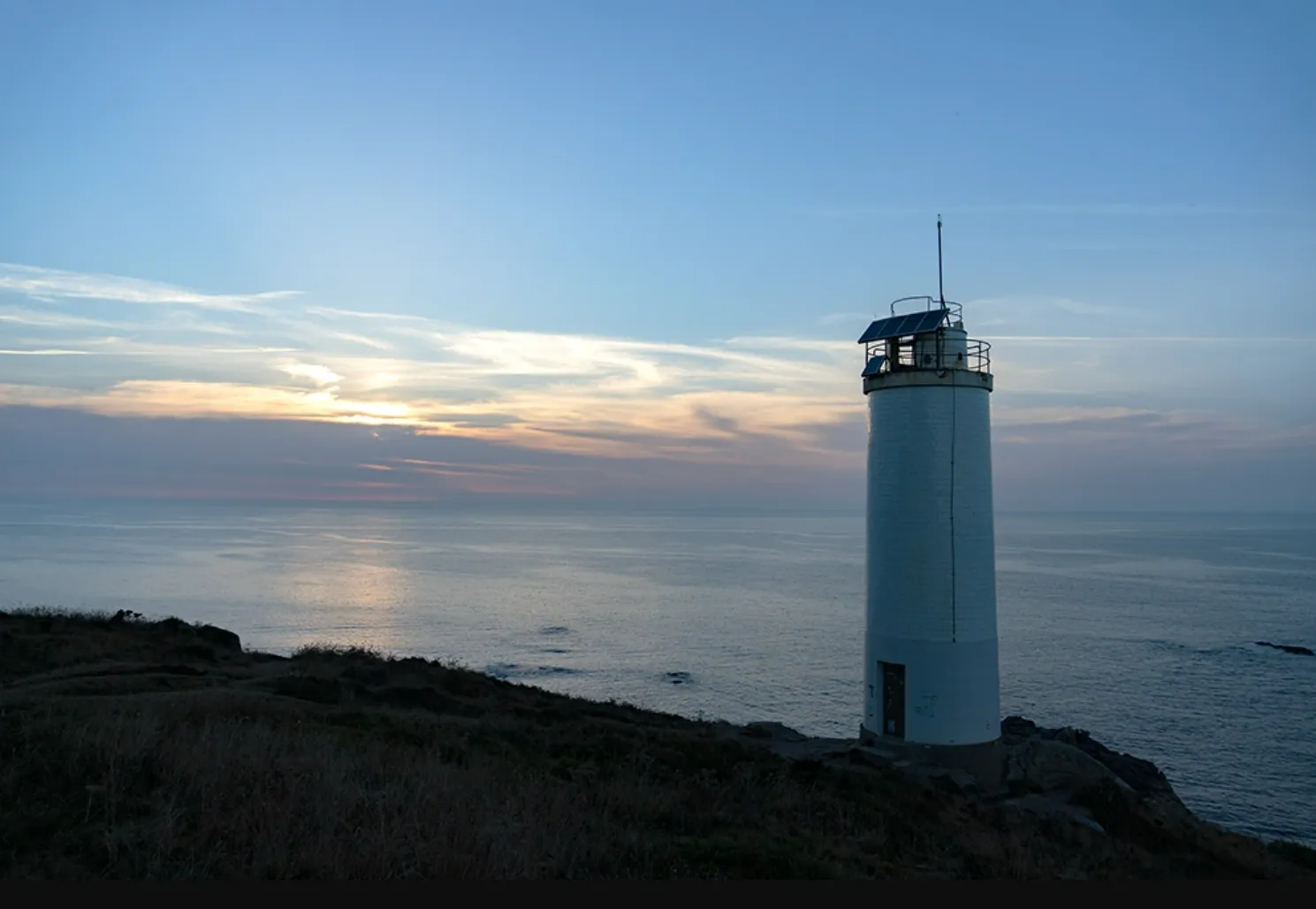
The percebe, or goose barnacle, is the most distinctive shellfish of the Costa da Morte: a mouthful of pure sea flavour that grows on the rocks most battered by the Atlantic and is gathered by hand, one by one, with the surf breaking at your feet. Here is what it is, how it is harvested, when it is in season and where to try it near Laxe, in the hamlet of O Canle, home of Casa do Rancho.
What are percebes and why are they so prized?
Although we call it shellfish, the percebe (Pollicipes pollicipes) is a crustacean related to crabs, not a mollusc. It has two clear parts:
- The stalk: the fleshy, dark “neck” covered in a rough skin. This is the part you eat, and it packs an intense, iodine-rich flavour of clean seawater.
- The nail: the hard, calcareous head made of plates, which is not eaten.
It lives clamped to the rocks most exposed to the swell, where the sea crashes hard. The more battered the stone, the thicker and tastier the barnacle. That mix of unique flavour, hard harvesting and short season is what makes it an expensive, sought-after product.
How are percebes harvested on the Costa da Morte?
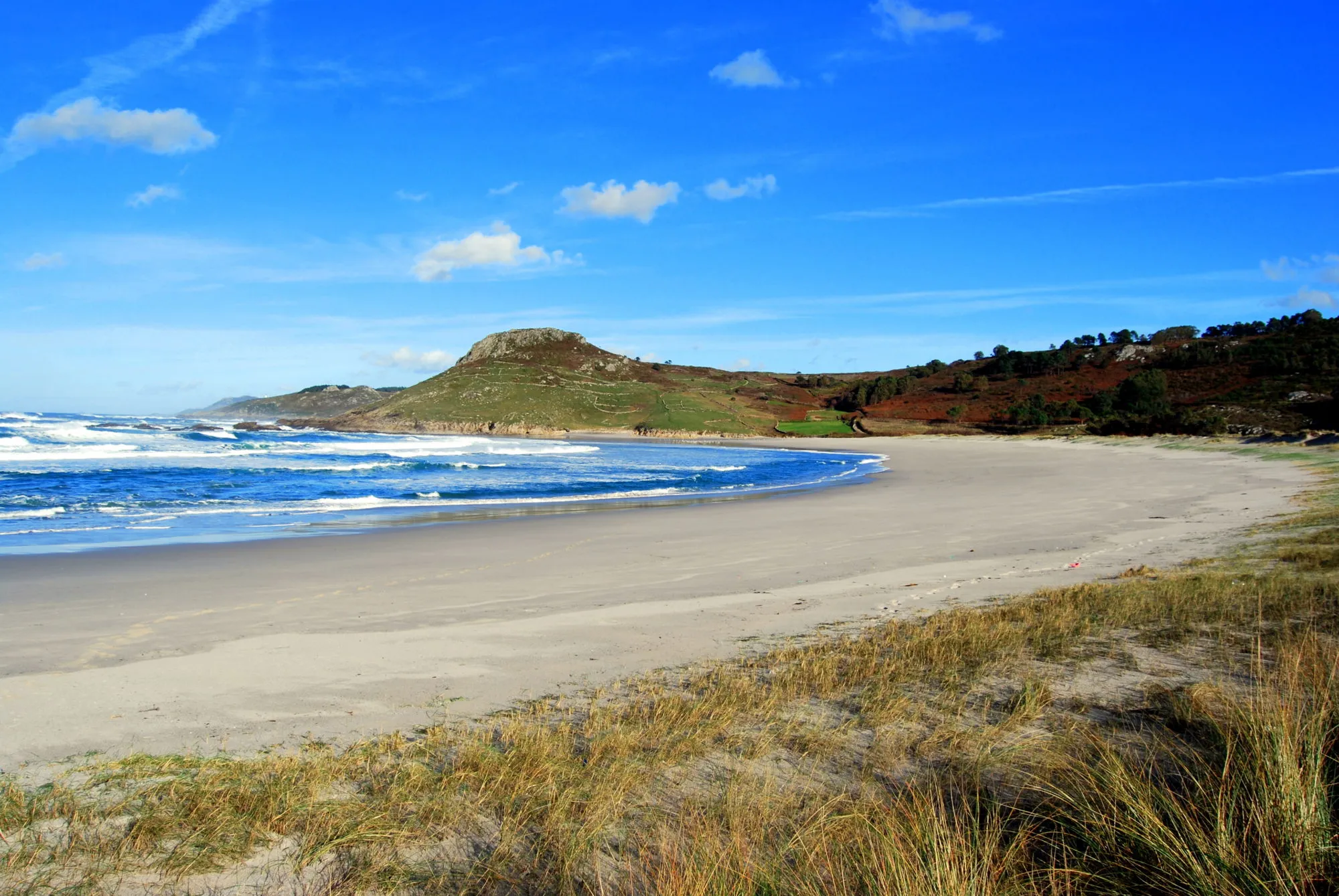
Harvesting percebes is one of the toughest and most dangerous trades at sea. The percebeiros climb down onto the battered rocks at low tide, timing the gaps between waves, armed with a scraper (the ferro) to prise the clusters off the stone. They work with one eye on the sea: a big wave can drag them off, and the Costa da Morte has seen fatal accidents.
It is a regulated activity: only licensed harvesters can work, with daily quotas, minimum sizes, and zones and dates controlled by the fishermen’s guilds to avoid exhausting the resource. That is why legal percebe comes with traceability, and why it is worth buying from a trusted fishmonger or restaurant.
The Costa da Morte is, along with the rest of the Galician coast, one of the great larders of percebe. The most legendary is the percebe do Roncudo, from Corme (Ponteceso), which even has its own food festival.
When are percebes in season and how much do they cost?
Percebes are harvested for much of the year, but their quality and price change a lot with the date. This table is a guide:
| Season | Availability | Guide price | Notes |
|---|---|---|---|
| Spring | Medium | €40–70 portion | Good time, away from the crowds |
| Summer | Medium-low | €40–80 portion | Calmer sea; slightly thinner barnacles |
| Autumn | High | €45–90 portion | The prime season; full shellfish |
| Christmas | High (huge demand) | €100/kg or more | Price peak of the year |
Tip: the price depends above all on thickness. The thick barnacle, from heavily pounded rock, is the most expensive; the thinner one, from more sheltered spots, is far better value and still delicious.
Where can you try and buy percebes near Laxe?
You don’t have to go far. From Laxe you have percebe almost on the doorstep:
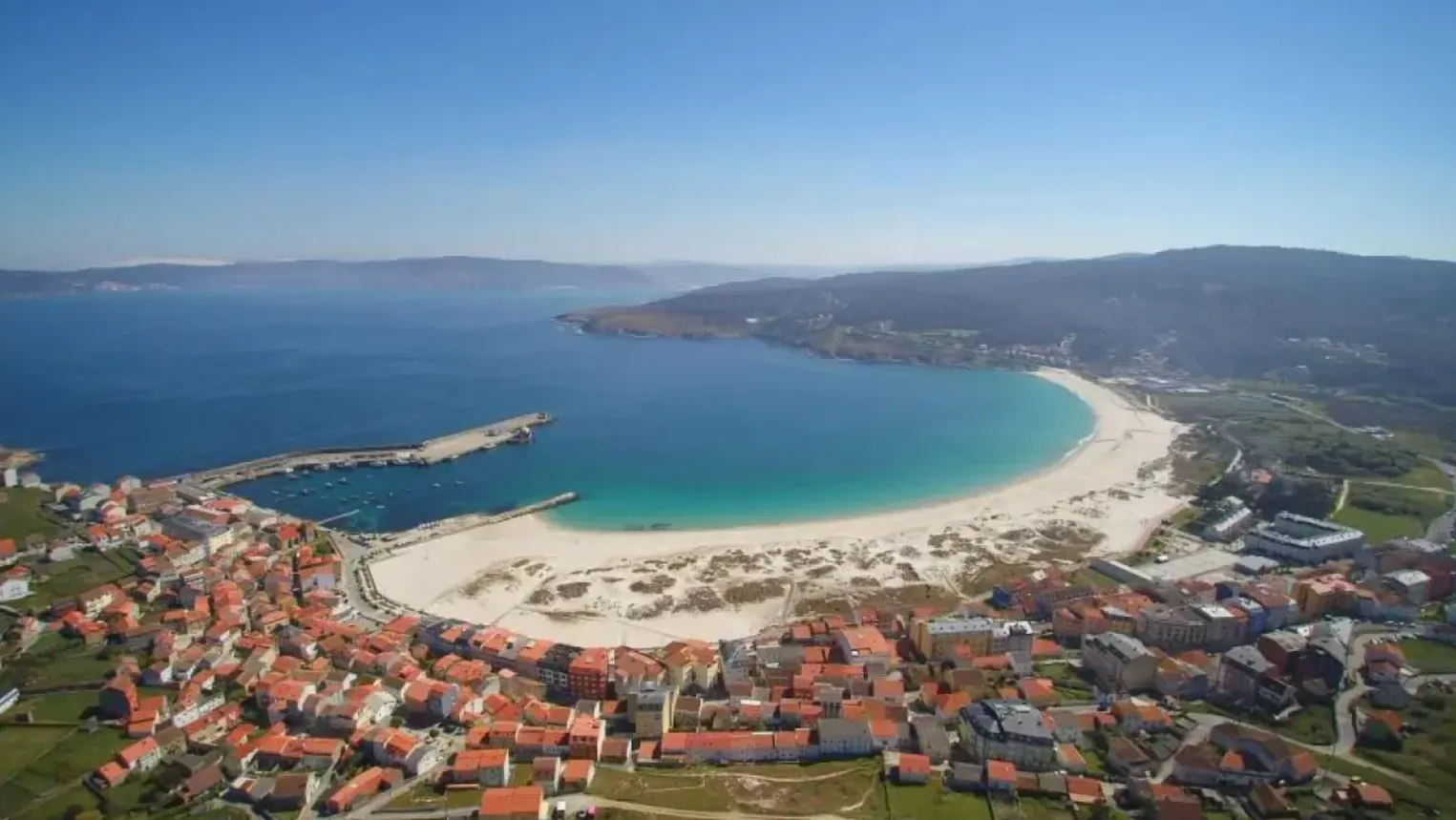
- In Laxe: the tavernas and seafood restaurants around the harbour and old town serve it as a portion, about 5 minutes from Casa do Rancho.
- Corme (Roncudo): the home of the most famous barnacle in the area, across the ría of Corme e Laxe.
- Camariñas and Camelle: barnacle towns with a good range of shellfish.
- Muxía: seafood restaurants with local produce facing the sea.
Approximate driving distances and times from Laxe:
| Destination | Distance | Time |
|---|---|---|
| Laxe harbour | 3 km | 5 min |
| Corme (Roncudo) | 30 km | 40 min |
| Camariñas | 35 km | 40 min |
| Muxía | 40 km | 45 min |
For the full rundown of tavernas, octopus and market fish, see our guide to where to eat in Laxe. And to fit it into a longer trip, the 3-day Costa da Morte itinerary combines beaches, lighthouses and good food.
How do you eat and cook percebes?
With quality percebe, the less you do, the better. The traditional recipe is almost a non-recipe:
- Bring seawater to the boil (or heavily salted water with coarse salt) with a bay leaf.
- When it boils, drop in the barnacles for one minute, no more. Some percebeiros turn off the heat the moment it returns to the boil.
- Drain and cover with a cloth so they keep warm.
To eat them, hold the nail, pinch the skin of the stalk and pull: the skin splits and reveals the meat. Careful — they squirt a jet of seawater when squeezed. Eat them with your fingers, slowly, and ideally with good bread and a Galician white wine.
And here is a real advantage of staying in a house: you can buy them at the Laxe fishmonger and cook them yourself. Casa do Rancho has a fully equipped kitchen, a dining room, a garden with a barbecue and sleeps up to 12, so a home-cooked feast of freshly bought percebes is great value and an experience in itself.
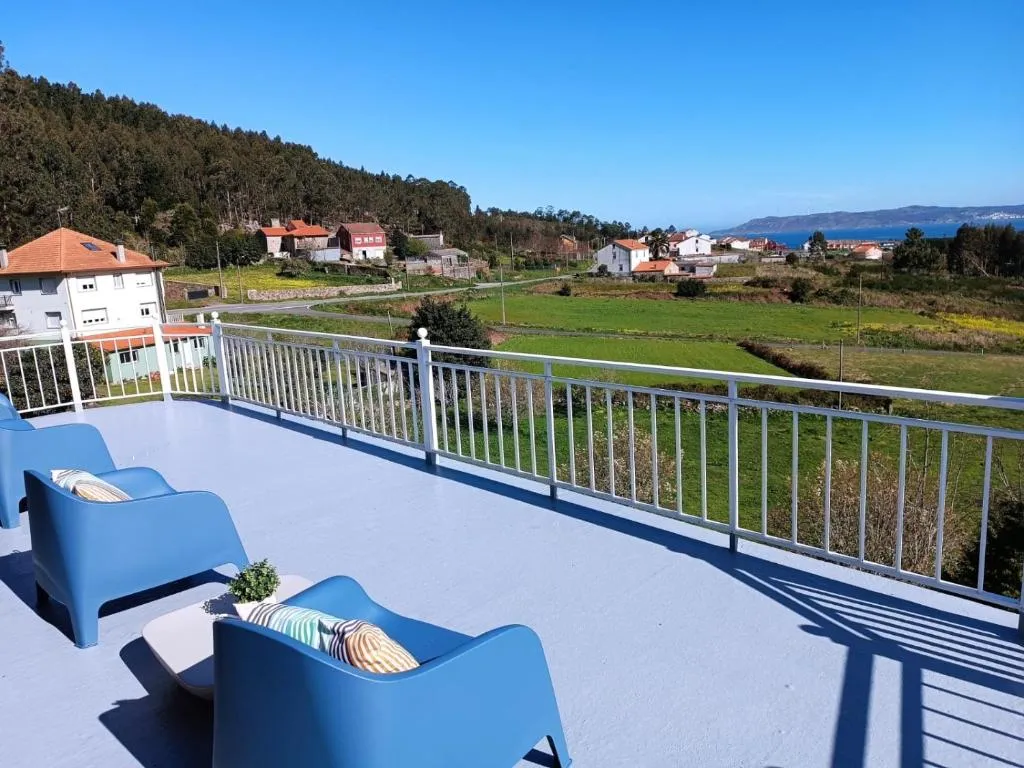
The percebe sums up the character of the Costa da Morte: a wild sea, a hard trade and honest produce. Try it in a harbour taverna or boil it yourself at the house; either way, it is one of the flavours you shouldn’t miss in Laxe.
Frequently asked questions
- What exactly are percebes (goose barnacles)?
- The percebe (Pollicipes pollicipes) is a crustacean, not a mollusc. It attaches to the rock by a dark, fleshy stalk — the part you eat — topped by a hard calcareous nail. It lives on the rocks most exposed to Atlantic swell, where the water pounds hardest.
- When is the goose barnacle season in Galicia?
- They are harvested for much of the year, but autumn and winter are the best months, when the shellfish is fullest. Demand — and price — spikes at Christmas. In summer there is less extraction and, with a calmer sea, the barnacles tend to be a little thinner.
- Where can you try percebes near Laxe?
- In the tavernas and seafood restaurants of Laxe harbour, about 5 minutes from Casa do Rancho, and in nearby barnacle towns such as Corme (famous for the percebe do Roncudo), Camariñas and Muxía. You can also buy them at the fishmonger and cook them at the house.
Related guides
Where to eat in Laxe: seafood, octopus and market fish
In Laxe you eat freshly landed seafood and market fish: octopus á feira, goose barnacles, mussels and the catch of the day. The tavernas and seafood restaurants cluster around the harbour and the old town, about 5 minutes from Casa do Rancho. And if you prefer to cook, the house has a fully equipped kitchen and a barbecue.
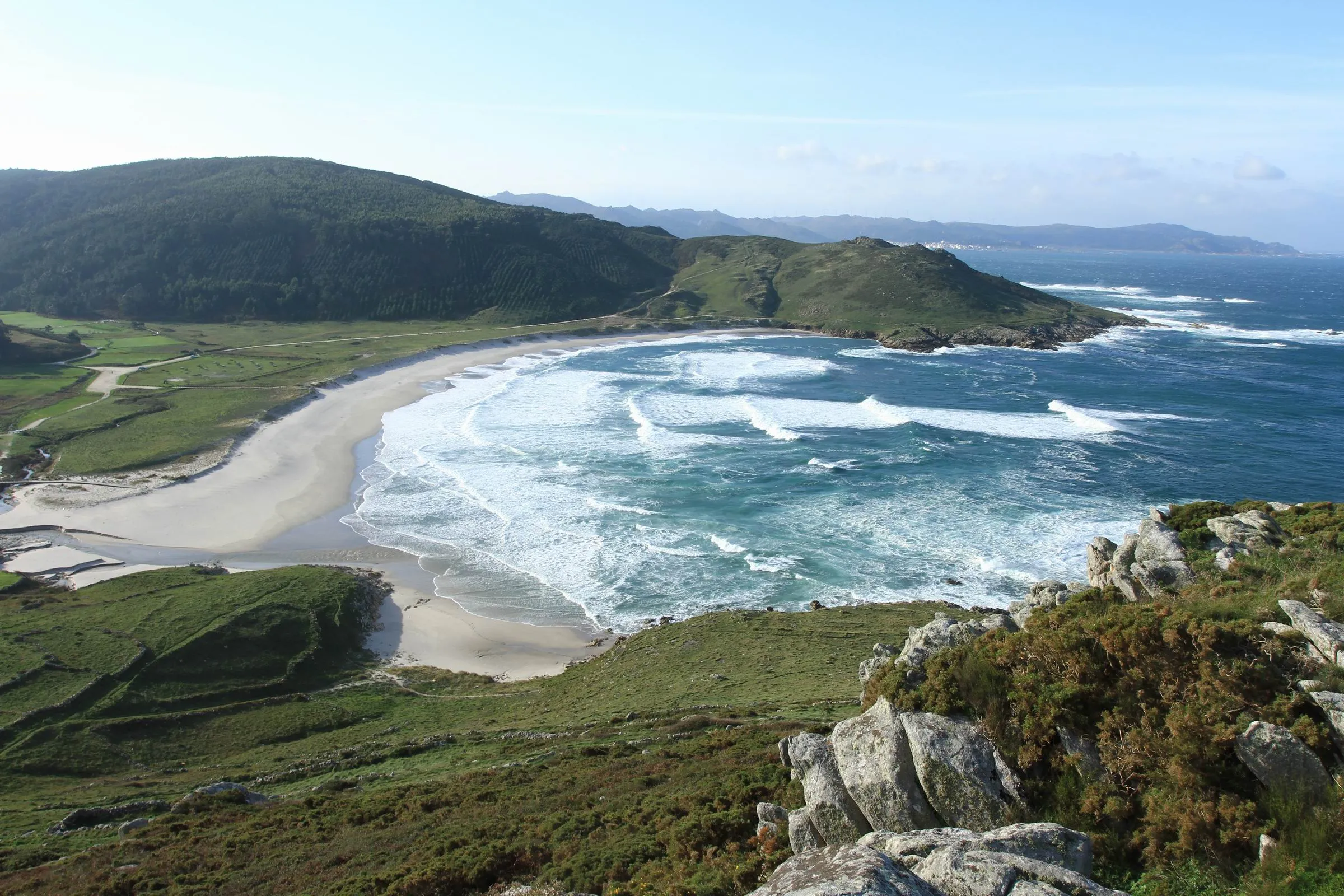
Malpica and the Sisargas Islands: a day trip from Laxe
Malpica de Bergantiños is about 40 min from Laxe: a fishing harbour with a surf beach and the km 0 of the Camiño dos Faros. Off its coast, the Sisargas Islands are the biggest seabird sanctuary in Galicia; you cannot land freely, but in summer boats sail from the harbour to circle them.
Muxía: what to see and its legends
Muxía is a seafaring village on the Costa da Morte about 45 min from Laxe. The essentials: the Virxe da Barca sanctuary by the sea, the sacred stones (Pedra de Abalar and Pedra dos Cadrís) and their Way-of-St-James legend, the A Ferida monument to the Prestige disaster, and the views from Monte Corpiño. It fits into half a day or a full day.